Cheong Fatt Tze, the Blue Mansion
"I'm not leaving because I'm scared or because I think I'm not enough - because maybe for the first time in my life, I know I am," said Rachel Chu.
Suppose you've watched the movie "Crazy Rich Asians." In that case, you'll remember the iconic mahjong scene where the conversation between Rachel Chu, played by Constance Wu, and Eleanor Young, by Tan Sri Michelle Yeoh, occurred. Fun fact: this scene was filmed at Cheong Fatt The Hotels & Residences, at George Town in Penang.
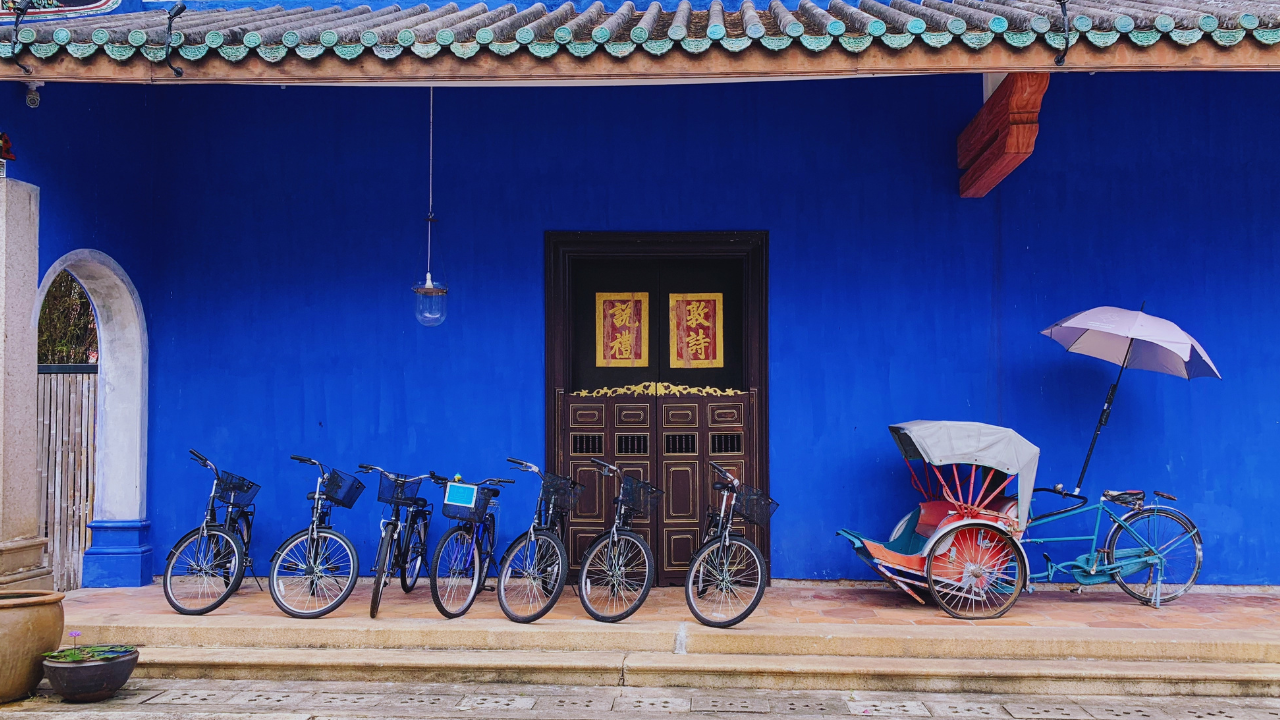
I had an opportunity to visit this magnificent Blue Mansion, which was a stone’s throw away from my hotel. When I first laid my eyes on this historical building, like its movie soundtrack by Kina Grannis, I couldn't help falling in love with its beautiful architectural design, which marries the Hakka and Teochew styles with touches of Western artisanship.
As a proud Malaysian, I was excited to learn from Clement, the tour guide, that the Blue Mansion won the title of UNESCO's Most Excellent Project in the Asia Pacific Heritage Awards in 2000. Not only that, Lonely Planet even recognised the Blue Mansion as one of the most fabulous mansions internationally in 2011. Moreover, the Blue Mansion was awarded as the winner in the Global Luxury Heritage Hotel category by the prestigious World Luxury Hotel Awards in 2021, defeating more than 1,000 hotels internationally.
Without the hard work of the conservationist team and heritage architect Laurence Loh and his family to restore Blue Mansion's former glory in 1995, many would not be able to experience this awe-inspiring George Town's living heritage.
You might be wondering why the Mansion is painted blue. Cheong Fatt Tze decided to paint the Mansion blue to create a happier effect, as the Chinese believe white symbolises death and mourning. According to Aja Ng, the Blue Mansion's Head of Public Relations, blue had crossed cultural barriers and was used in various types of buildings. For instance, the Acheen Street mosque in George Town, some internal sections of Chinese temples, and the majority of typical houses in the Straits Settlements in the early 19th and 20th centuries.
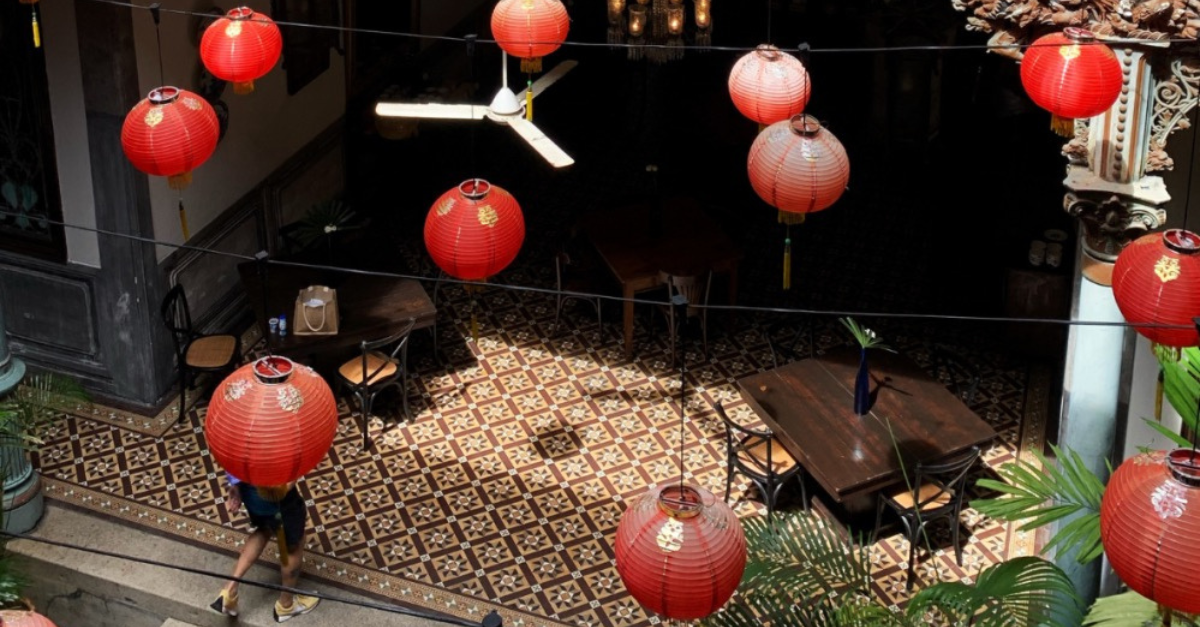
As I walked towards the open courtyard within the living area, I felt a sense of zen. According to Clement, Cheong, who firmly believes in Feng Shui, ensured to include the elements of Feng Shui upon designing the building, allowing human beings and nature to coexist in harmony.
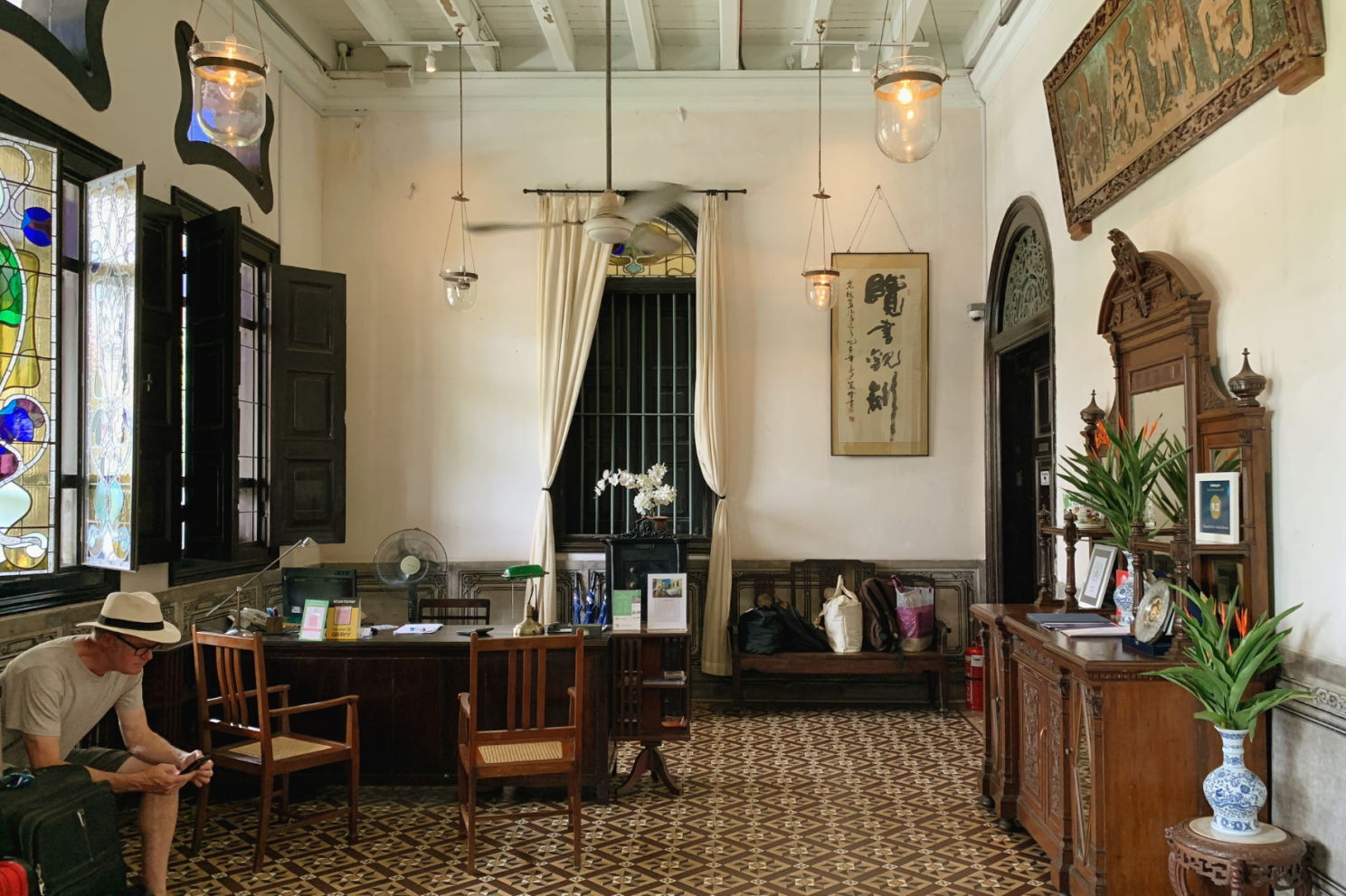
Clement further shared that there are 38 rooms, and 18 were designed based on five themes and were named after a Chinese dynasty. This includes the Ming Collection, The Liang Collection, The Tang Suites, The Han Suites, and The Town Houses. The Blue Mansion is not merely a museum open for the public to visit but also a boutique hotel where travellers can stay and even host events, such as weddings and performances. Moreover, you can enjoy breakfast at the Courtyard, refreshments at Cafe Mangga, dinner at Indigo Restaurant, and unwind with a classic cocktail in the evening at The Bar.
Another thing I enjoyed about the tour was seeing Cheong's seventh wife named Tan Tay Poh’s clothes display section. It is incredible to see how fashion was in the early 19th and 20th centuries. According to Clement, the Blue Mansion, built in the 1880s, was a gift from Cheong to Tan, and it was also where they made their home.
A brief introduction about Cheong, a legend who wore multiple hats. For instance, a financier, a tycoon, a diplomat, a politician, and many more. Hence he is known to be Rockefeller of the East, JPMorgan of China and the Last Mandarin & First Capitalist of China. At 16, he took a leap of faith and went to Nanyang, known as the “Land of Opportunity.” With his strong determination and support from his merchant father-in-law, who saw his potential, he successfully transformed himself from a “bearer of river water” to a “one-man multinational conglomerate.”
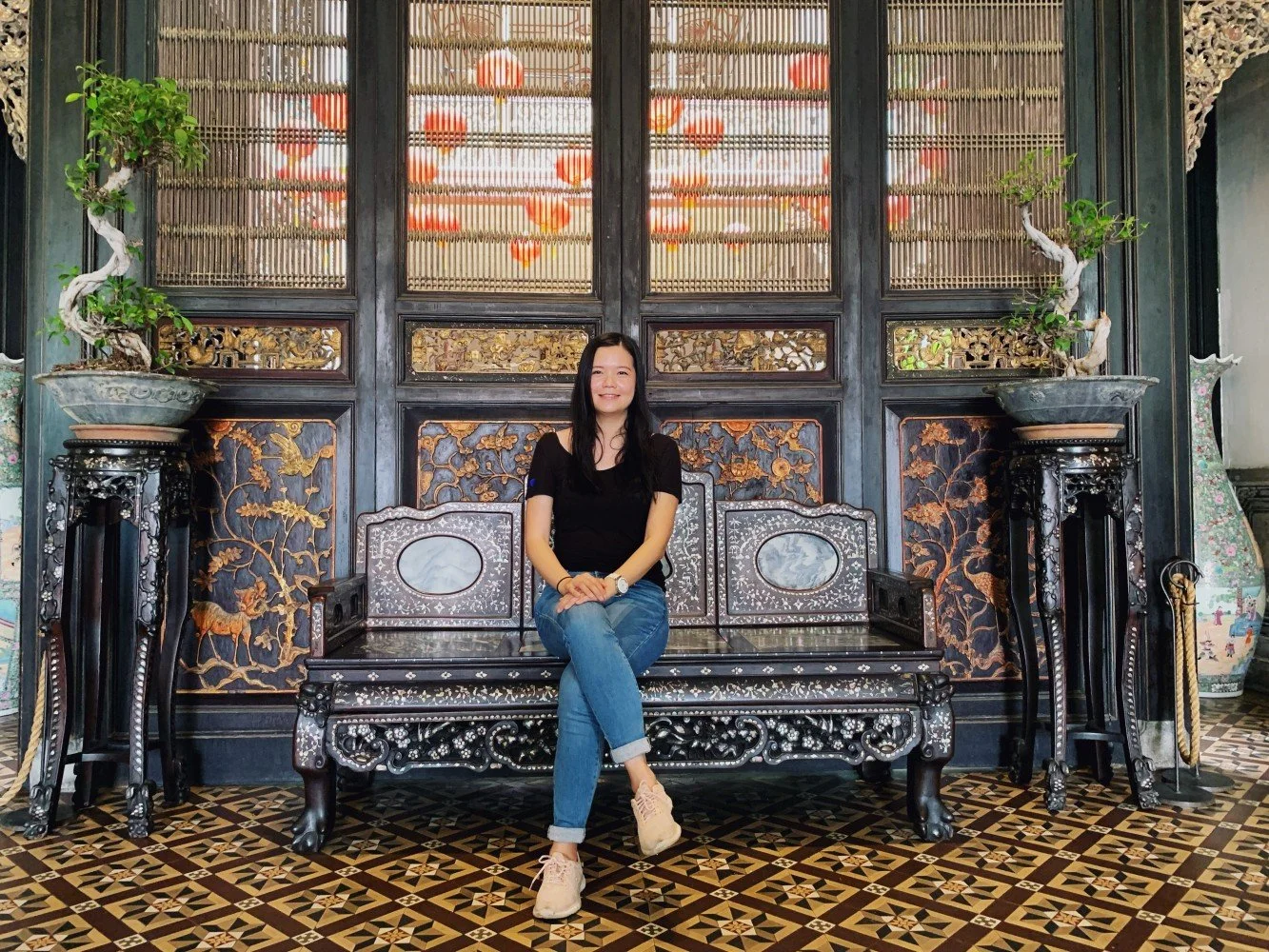
If you’d like to learn more about the history of Cheong, and the Blue Mansion, I strongly recommend that you join the 45-minute of its daily guided tours, which are either 11 am or 2 pm, with a maximum of 42 people. Alternatively, you can join its contactless self-guided tour, which allows you to experience the Mansion at your leisure between 11 am and 6 pm, with a maximum of 12 guests per day. Get your tickets here.
Given an opportunity, I would love to revisit The Blue Mansion on my next trip to Penang. So, you should too on your next trip!