Exploring the Future of Health: Voice AI Technology

At the International Wellness Expo 2024 held at Malaysia International Trade and Exhibition Centre (MITEC), I came across an intriguing exhibitor showcasing a voice AI health tool. The demonstration was simple: I read a short passage aloud while the system analysed my voice to assess various aspects of my health, including physical and social well-being. It was fascinating to see how AI could identify potential health indicators through voice analysis alone.
The experience reflects a growing area of research known as voice biomarkers. One notable initiative, Voice as a Biomarker of Health, led by researchers from the University of South Florida and Weill Cornell Medicine with funding from the U.S. National Institute of Health, is exploring how voice samples can be correlated with medical data to support the screening and diagnosis of conditions such as depression and neurological disorders.
The underlying premise is that subtle changes in speech may reveal important clues about a person’s health. For example, stroke survivors often experience altered speech patterns, while individuals living with Alzheimer’s disease may demonstrate changes in language and word choice, while people with Parkinson’s disease frequently speak more softly and at a slower pace.

The goal of this research is to empower doctors to use subtle voice change as diagnostic tools. This approach could provide a cost-effective alternative to traditional methods like blood tests, swab tests, and CT scans, which can be resource-intensive and expensive. With voice analysis, patients could easily record their voices and send them to their healthcare providers, regardless of location. To facilitate this, researchers are building a comprehensive database of patient voices to train AI systems to recognize these subtle differences. By proving the link between voice characteristics and specific health conditions, this research could revolutionize the way healthcare is delivered.
Another noteworthy initiative is the Colive Voice Project, an international digital health research effort supported by the Luxembourg Institute of Health. Similar to the aforementioned study, it aims to collect voice recordings to identify biomarkers for tracking health conditions like cancer, diabetes, and COVID-19.
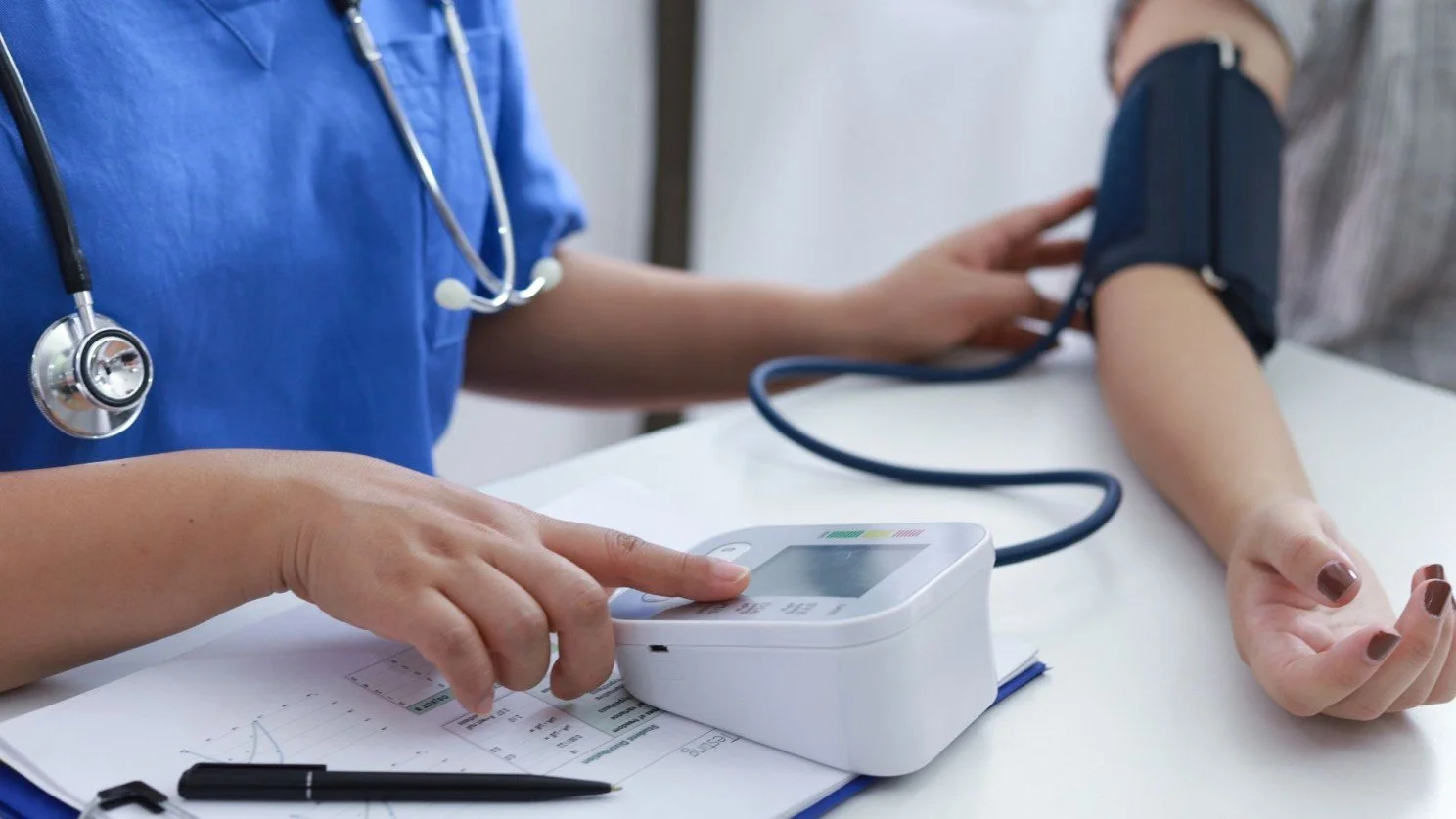
Klick Labs is also harnessing the potential of voice technology for health screening. Their research has demonstrated the ability to detect chronic hypertension through voice analysis. In a study involving 245 participants, individuals recorded their voices multiple times a day using a specialized mobile app. The results showed an impressive accuracy rate of 84% for females and 77% for males in identifying high blood pressure. This success is attributed to the technology’s ability to analyze vocal biomarkers that are often imperceptible to the human ear, such as pitch variations and speech energy patterns.
By employing various classifiers and developing gender-based predictive models, Klick Labs is paving the way for more accessible hypertension detection, which could lead to earlier interventions. Given that hypertension is linked to serious complications - including heart attacks, kidney problems, and dementia - this advancement is particularly significant. Also, Klick Labs has successfully demonstrated the effectiveness of AI combined with voice analysis in screening for Type 2 diabetes, identifying correlations between voice pitch and blood glucose levels.
While gathering more voice data for these studies may take time, it’s clear that voice technology has the potential to transform healthcare. It could make health screening more accessible and affordable, especially for underserved populations.
What are your thoughts on the integration of technology in healthcare? How do you envision a more sustainable and effective health screening system contributing to longevity and overall well-being?