Hong Kong Through Fresh Eyes
Having grown up watching Hong Kong dramas, finally setting foot in the city felt surreal. The iconic streets, neon-lit alleys, and familiar-sounding MTR stations once flickered across TV screens came to life before my eyes - each one revealing a story layered in history, hustle, and heart.
This piece is part of Chatterbox Lounge where we explore stories of people, places, and perspectives that shape how we see the world.
In this piece, I’m sharing some reflections, cultural highlights, and tips - especially for fellow first-timers hoping to explore Hong Kong beyond the usual tourist lens.
A City That Moves - Fast
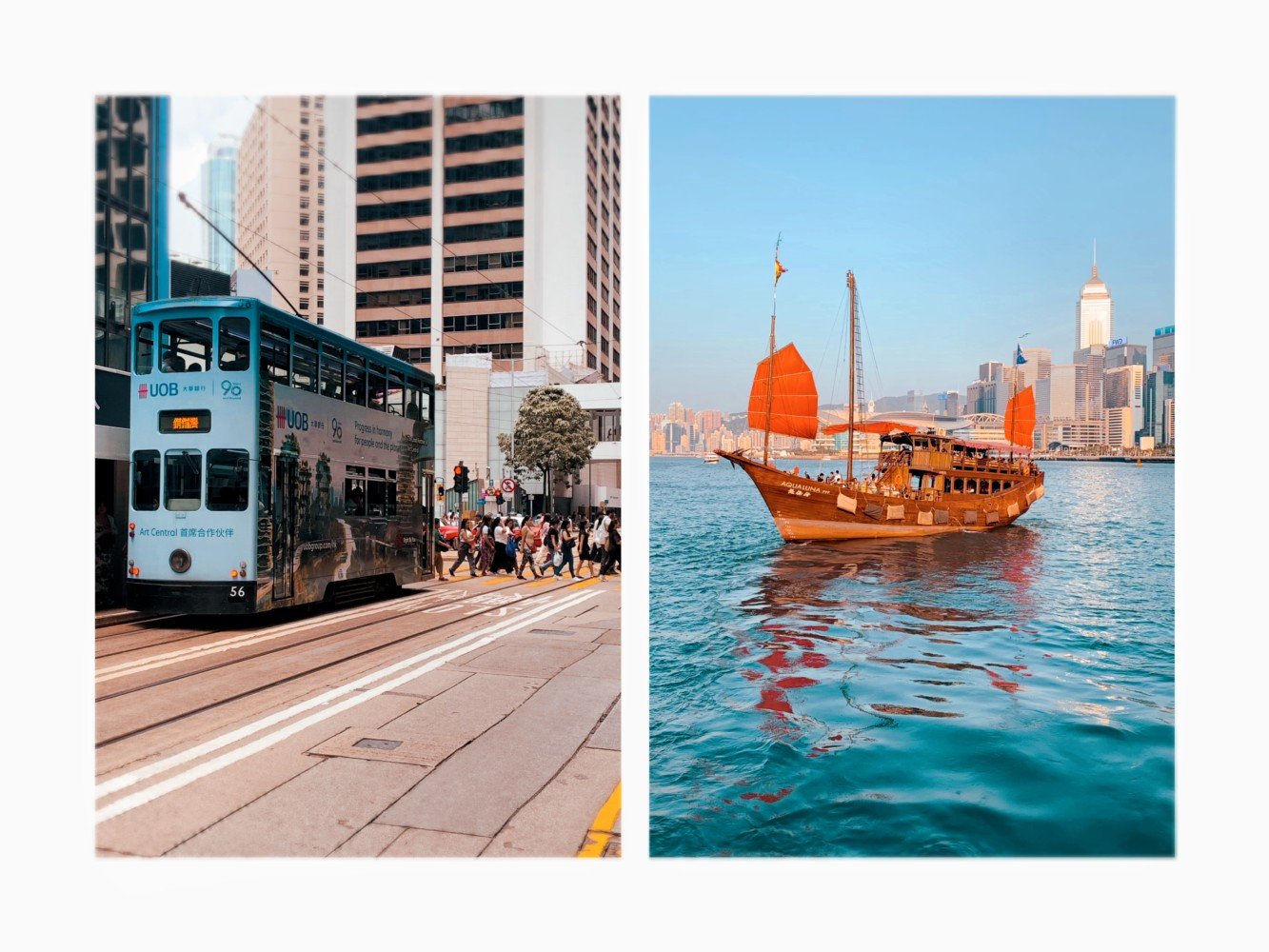
What impressed me the most? The efficiency of Hong Kong’s public transport. Whether crossing Tsim Tsa Tsui to Central by ferry or hopping between districts on the MTR, the city is designed for movement. Temples like Wong Tai Sin and hidden spots like Kowloon Mosque are just a few stops away.
That said, be prepared to walk - a lot. I averaged over 20,000 steps daily. Long interchanges, stairways, and interconnected malls make it feel like a maze in motion.
Tip: Wear comfortable walking shoes, travel off-peak, and plan ahead to avoid fatigue.
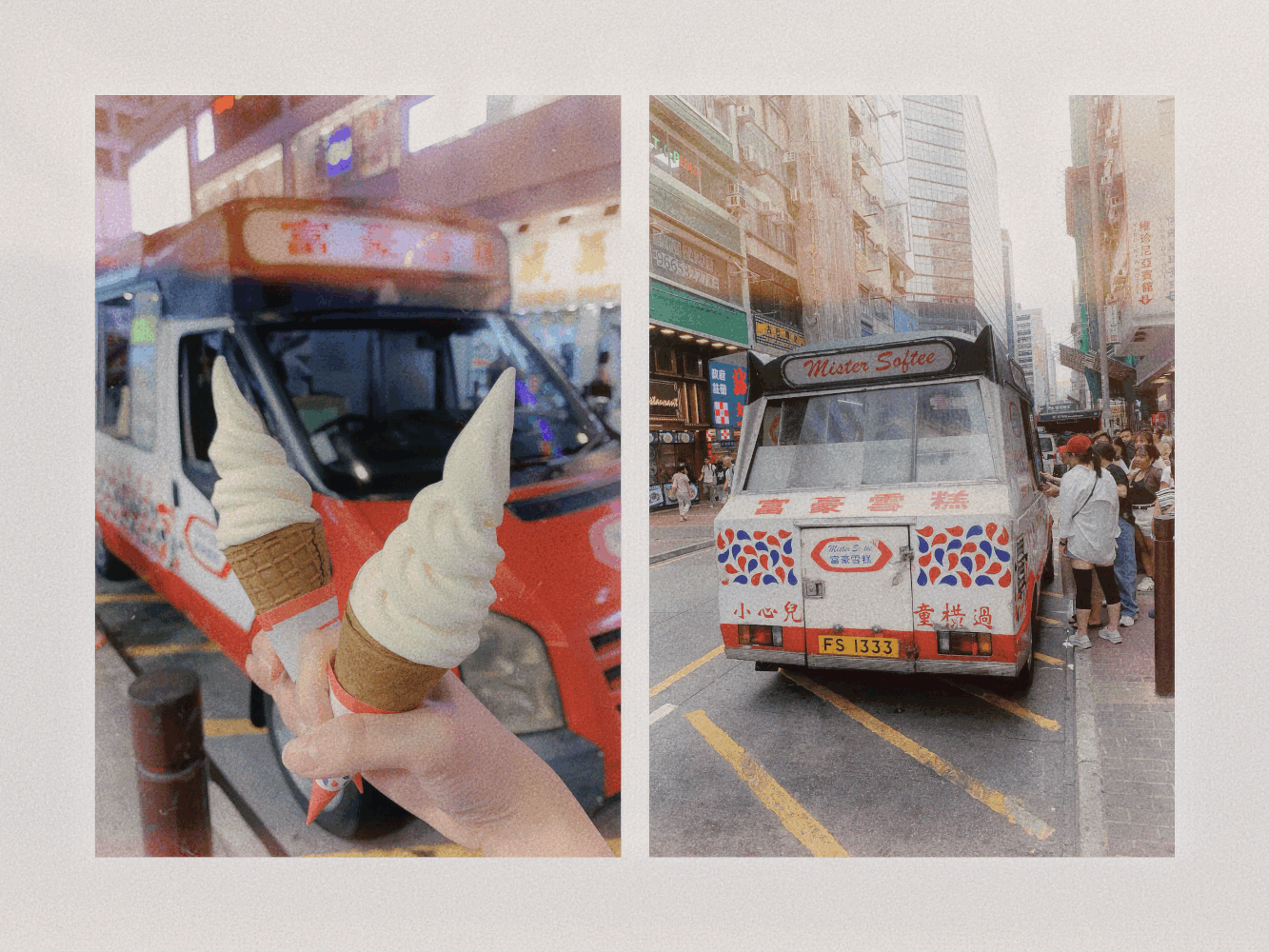
A Scoop of Nostalgia: Mister Softee
Nothing says summer in Hong Kong quite like the jingle of a Mister Softee truck. For many locals, it’s a beloved childhood memory - much like how Malaysians fondly recall the roti ice cream uncle waiting outside school gates.
So when I stumbled upon one of these vintage trucks on the street, I couldn’t help but smile. It’s more than just soft-serve; it’s a piece of cultural nostalgia. What I didn’t know until later was the beautiful story behind it.
Founded by Ho King-yuen, a former Dairy Farm employee inspired by a trip to London in 1969, Mister Softee soft-serve trucks first appeared in Hong Kong in 1970. For many, it became a symbol of carefree summers and simple joys. Ho passed away in Perth earlier this year at the age of 98 - but his legacy lives on in every cone.
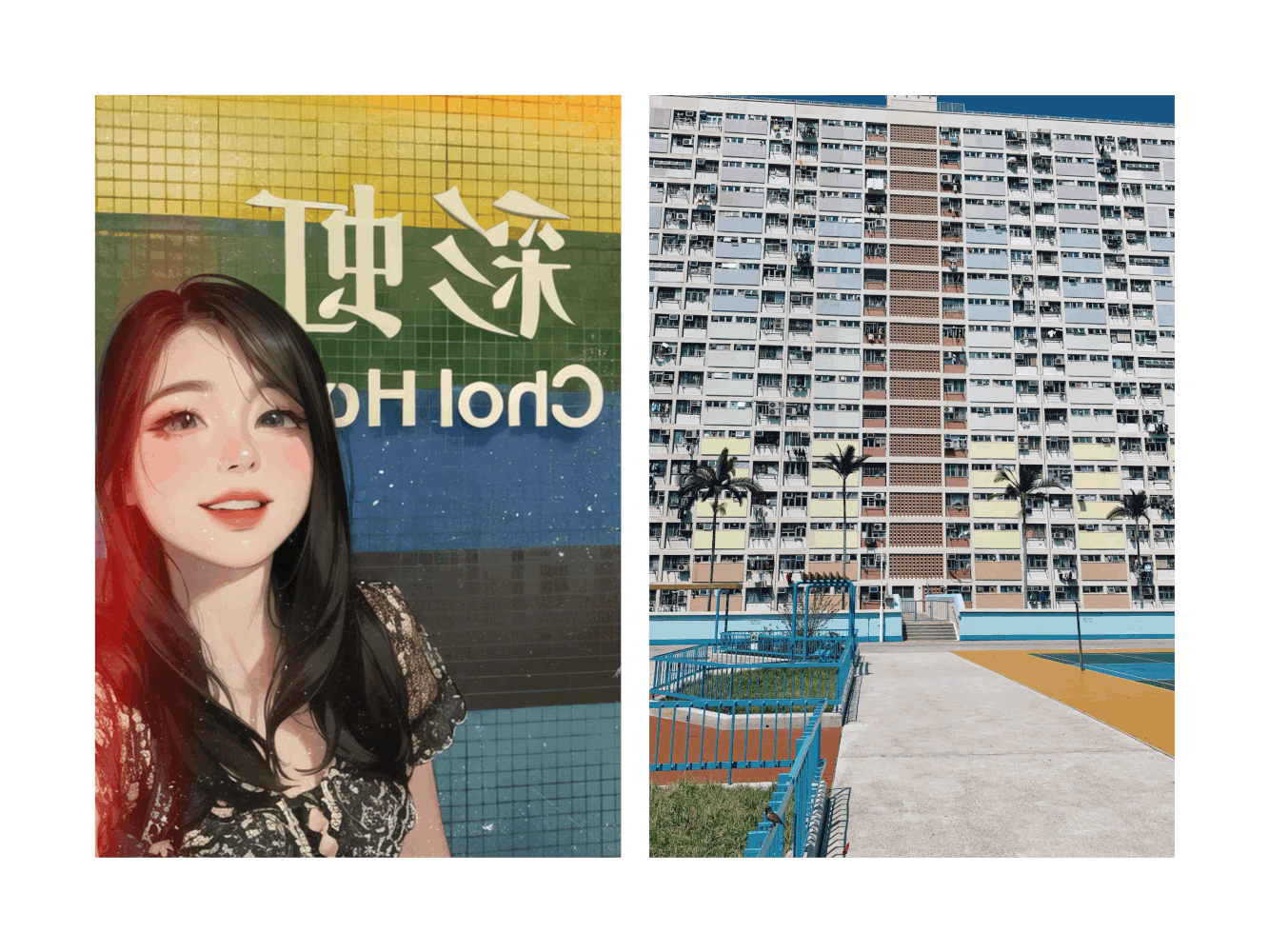
Choi Hung Estate: A Rainbow of Memories
Another spot that stirred something in me was Choi Hung Estate - famous for its rainbow-colored basketball court and one of Hong Kong’s oldest low-income housing projects. Built in 1962 to house post-war migrants, it once accommodated over 17,000 residents and even hosted visits from Princess Margaret and President Nixon in the ‘60s.
Today, it’s a favourite Instagram spot - so much so that I found myself among a group of Korean tourists taking photos under the blazing sun. But beyond the camera angles, what struck me most were the old shop fronts that felt like they belonged in the 1970s, offering a glimpse into everyday life from another era.
Slated for redevelopment in 2028, the estate will gain new housing and infrastructure - but for many, its legacy is already etched into Hong Kong’s cultural memory.
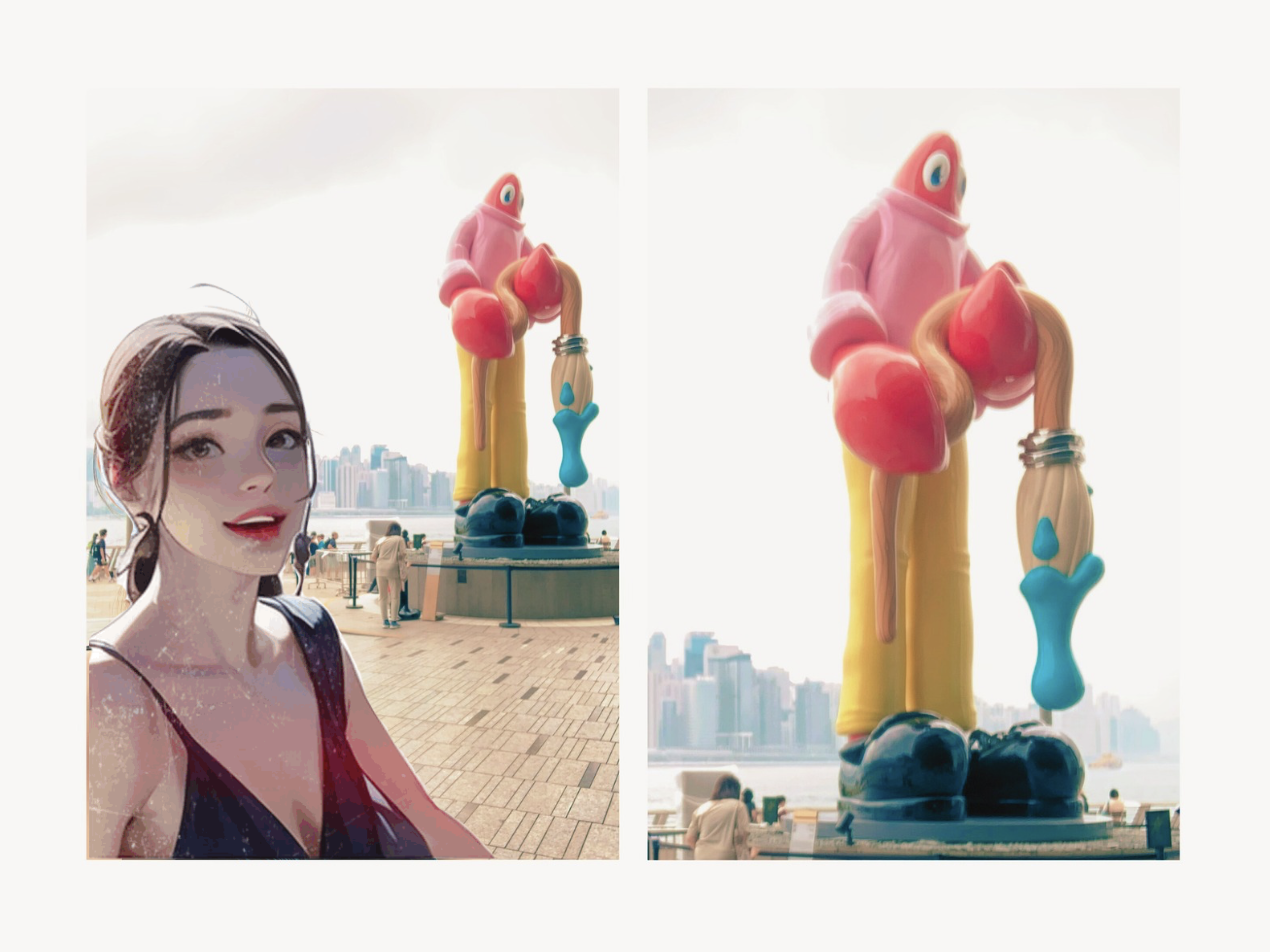
K11 MUSEA: Where Art Meets Commerce
If you’re into innovation and modern culture, don’t miss K11 MUSEA at Victoria Dockside.
Founded by entrepreneur Dr. Adrian Cheng, this art-meets-retail space blends commerce, sustainability, and creativity in a way that’s uniquely Hong Kong. I was fortunate to catch The Lobster Painter by British pop artist Philip Colbert—a striking 7.5m sculpture presented by K11 Art Foundation in collaboration with Co-Museum. What a bold, playful addition to the Avenue of Stars!
K11 exhibitions aren’t just eye candy - they have real commercial impact. Their previous “100% Doraemon & Friends” exhibition led to a 40% increase in tourist spending and 60% growth in tourist memberships. It’s proof that art, when accessible, drives both culture and commerce.
Tip: Check their event calendar - many installations are beautifully integrated into the space.
Comics in the Park: Avenue of Comic Stars
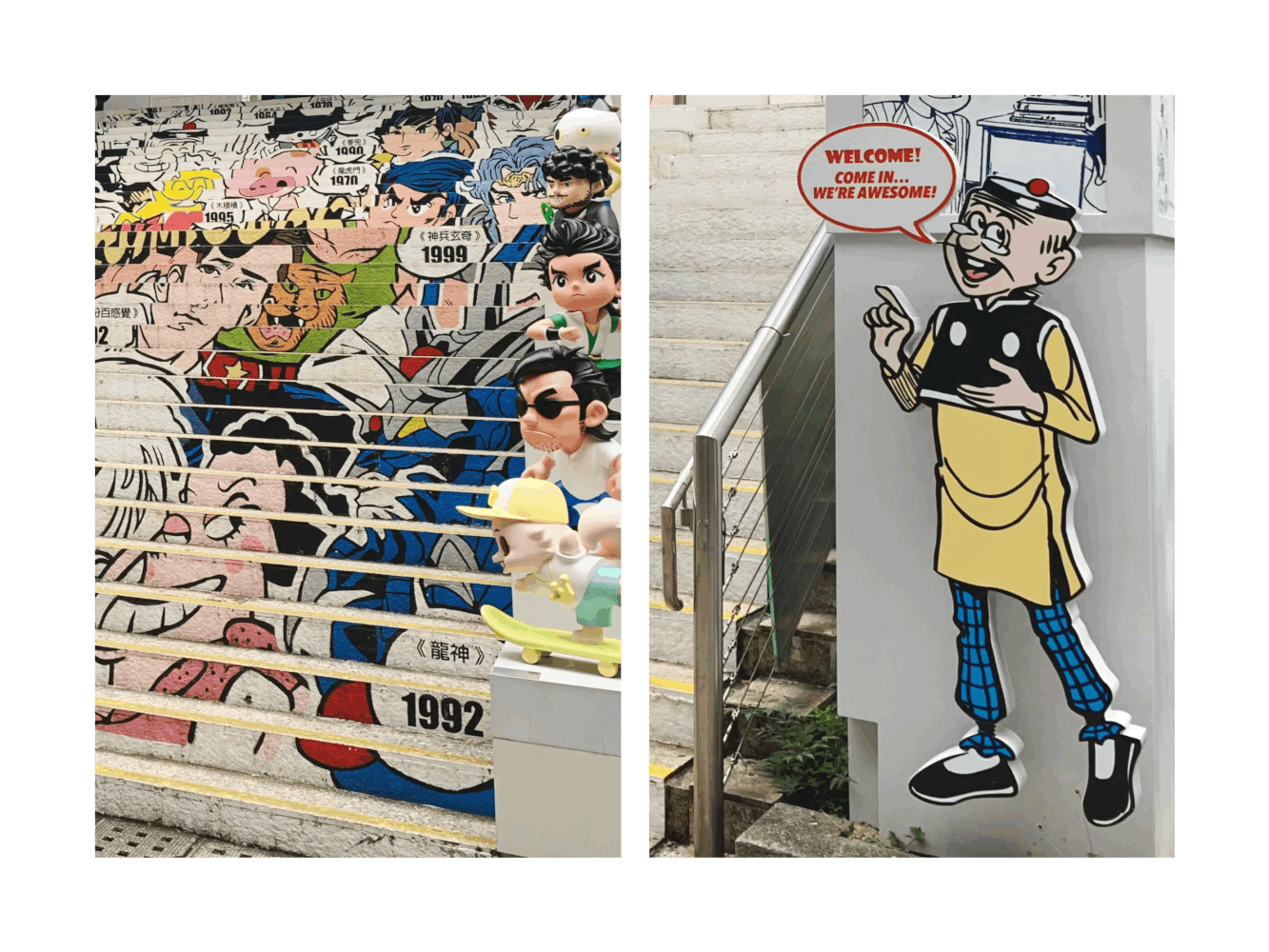
Tucked away in Kowloon Park’s Eastern Loggia is the Avenue of Comic Stars, where statues of legendary local comic characters line a quiet path. It celebrates the golden age of Hong Kong comics - and one character stood out to me: Old Master Q.
Created by Alfonso Wong (Wong Chak) in the 1960s, Old Master Q reflected modern society with humor and wit. It was a reminder of how art, even in the form of comics, can both entertain and preserve cultural values.
Tip: It’s a short detour from Park Lane Boulevard, and a nice breather from the usual tourist crowds.
Wong Tai Sin Cultural Centre: Where Tradition Meets Technology
One of the highlights of my trip was visiting the Cultural Centre for Wong Tai Sin Belief and Customs, located just beneath the historic temple. Opened in 2021 to mark Sik Sik Yuen's centenary, the centre offers a modern, immersive take on one of Hong Kong's most treasured Taoist traditions.
Visitors can explore interactive zones, learn about Taoist rituals and attire, and even take photos of how sacred customs can evolve with technology while preserving their spiritual essence.
As someone who appreciates culture and film, the visual experience also reminded me of the award-winning Hong Kong film The Last Dance, which explores themes of tradition, loss, and legacy in a modern world.
Where Time, Culture & Contrast Collide
From indulging in soft-serve by the harbour, to visiting pastel-hued estates, and exploring art in retail spaces. Hong Kong revealed itself as a city of contrast and complexity.
It’s fast, layered, nostalgic - and deeply creative.
For first-time visitors:
Explore beyond tourist lens
Wear comfortable walking shoes (you'll thank yourself)
Visit off-peak hours to soak in the culture without the rush
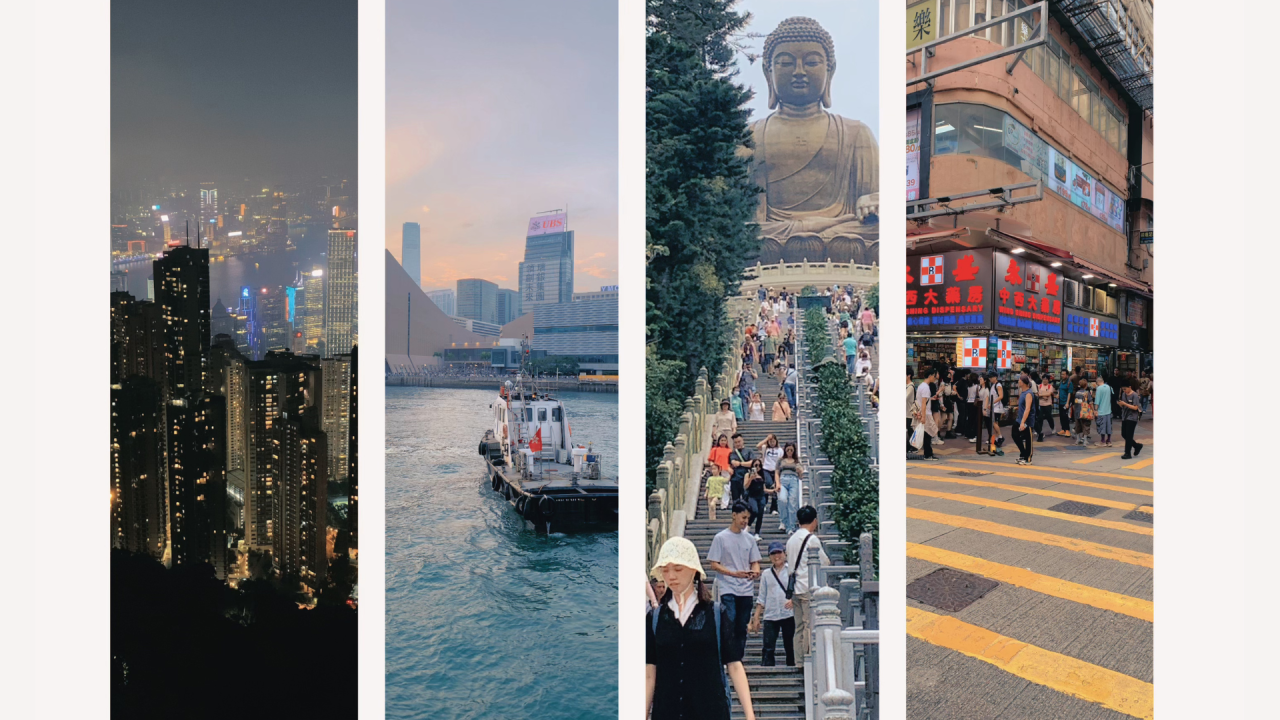
Whether it’s sunrise at the Big Buddha, sunset from the harbour, or city lights from the Peak, Hong Kong delivers a different experience every hour.
It’s more than a destination - it's a moving story you’ll walk right into.
Chatterbox Lounge is a space where stories like these come together — across culture, people, and perspectives.
If this resonated, feel free to follow the newsletter for more reflections like this.
Have you visited Hong Kong recently or have a favourite cultural spot? We'd love to hear your reflections too.