From Xi’an to Perth: How the Terracotta Warriors Became a Cultural Bridge
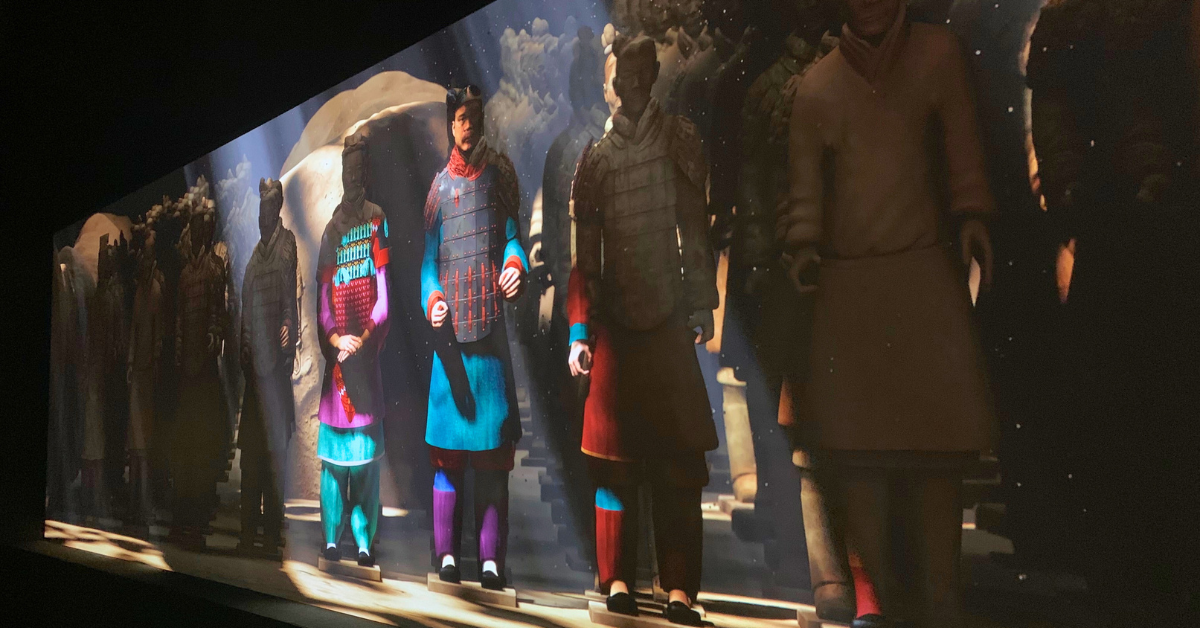
When I first spotted the colourful Terracotta Warrior figures in the Perth city, they caught my eyes in a way I didn't expect and that curiosity eventually drew me to the exhibition itself. I'd always pictured the real warriors as clay-colored and weathers, so seeing them in vibrant hues made me wonder what their story was.
This piece is part of Chatterbox Lounge where we explore stories of people, places, and ideas that shift how we see the world.
A visit to the WA Museum Boola Bardip changed everything. What I thought I knew about the Terracotta Army, and how culture travels across borders, expanded in unexpected ways.
The Warriors Were Once Painted in Vivid Colours
Inside the exhibition, I learned that the Terracotta Warriors were originally painted in vibrant colours. Sadly, the moment they were excavated, the pigments began to peel and fade within seconds due to oxidation and humidity changes.
Today, conservation teams intentionally delay excavation to preserve what remains of these colours, a delicate balance between revealing history and protecting it.
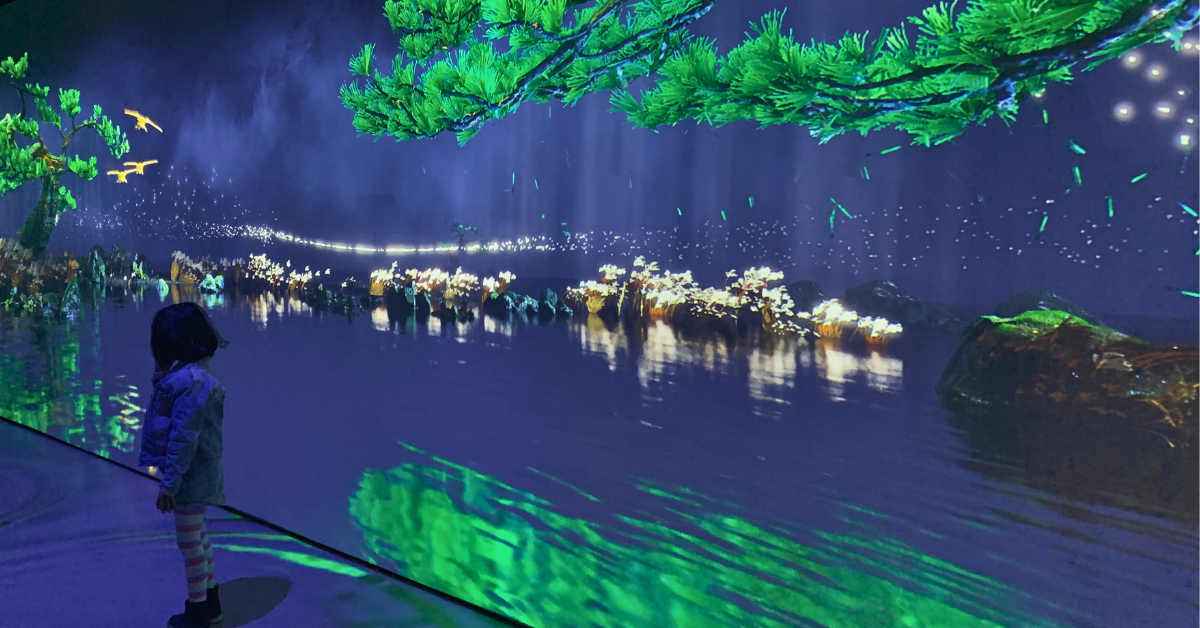
The exhibition’s immersive multimedia does an excellent job re-imagining these colours, blending archaeology with modern storytelling and giving visitors a glimpse of how vibrant these warriors once were.
A Grand Army Built for the Afterlife
Curiosity led me deeper into the history behind the Terracotta Warriors.
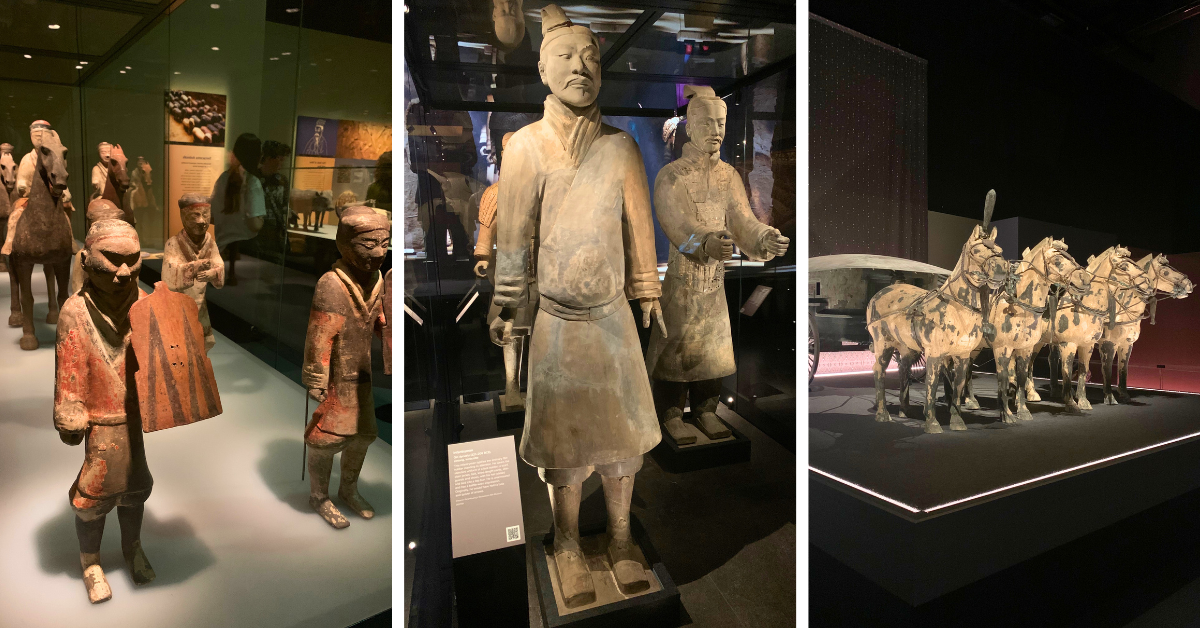
They were created to guard Emperor Qin Shihuang in the afterlife, reflecting his desire to maintain military power and imperial authority beyond death. More than 700,000 artisans and labourers constructed the tomb complex, carving and moulding each figure by hand long before the existence of advanced tools.
What fascinated me most: Every single warrior has a unique expression, hairstyle, and personality. This level of individuality is arguably one of the earliest examples of hyper-personalisation, which was crafted over 2,200 years ago.
A Cultural Exchange Built on Trust
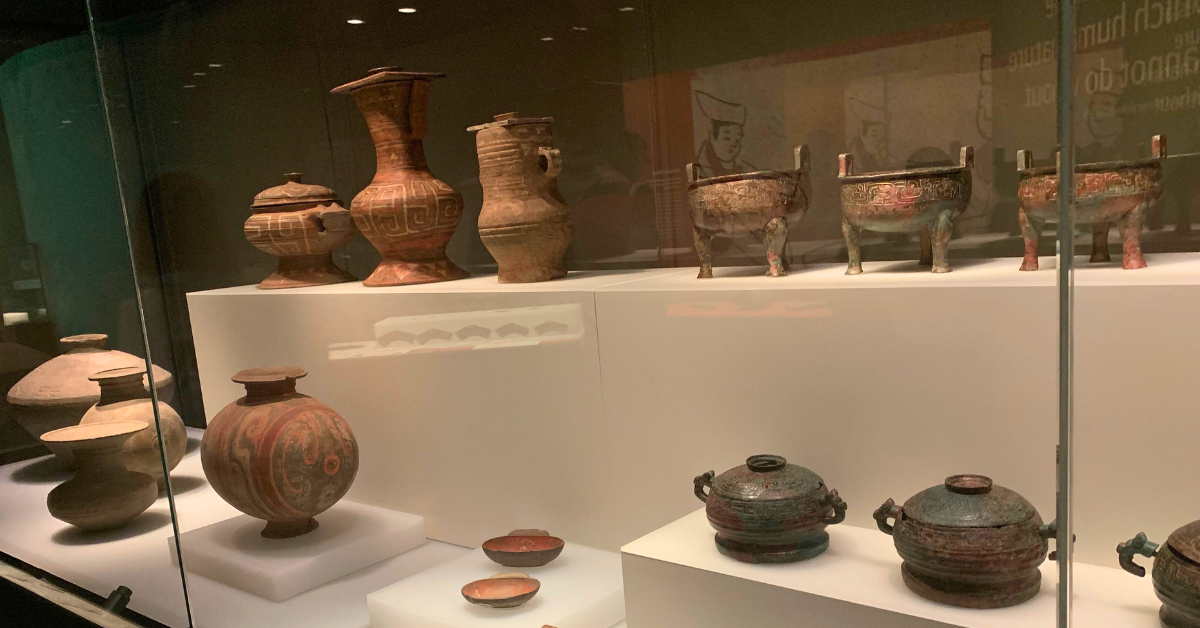
I felt fortunate to be able to visit this exhibition and see these artefacts up close. China permits no more than 10 Terracotta Warriors to travel internationally at any one time, and WA secured eight of them. Even more remarkable:
70% of the objects have never been seen in Australia
40% of the 225 artefacts have never left China before
WA Museum CEO Alec Coles revealed that the exhibition concept first emerged in 2016, coming to life only after years of collaboration with China’s Shaanxi Province. He hopes the exhibition will help deepen Australians' understanding of Chinese history and culture.
This long-term partnership is a reminder of how international cultural exchanges rely on trust, relationship-building, and mutual respect.
Behind the Scenes: A Global Logistics Operation
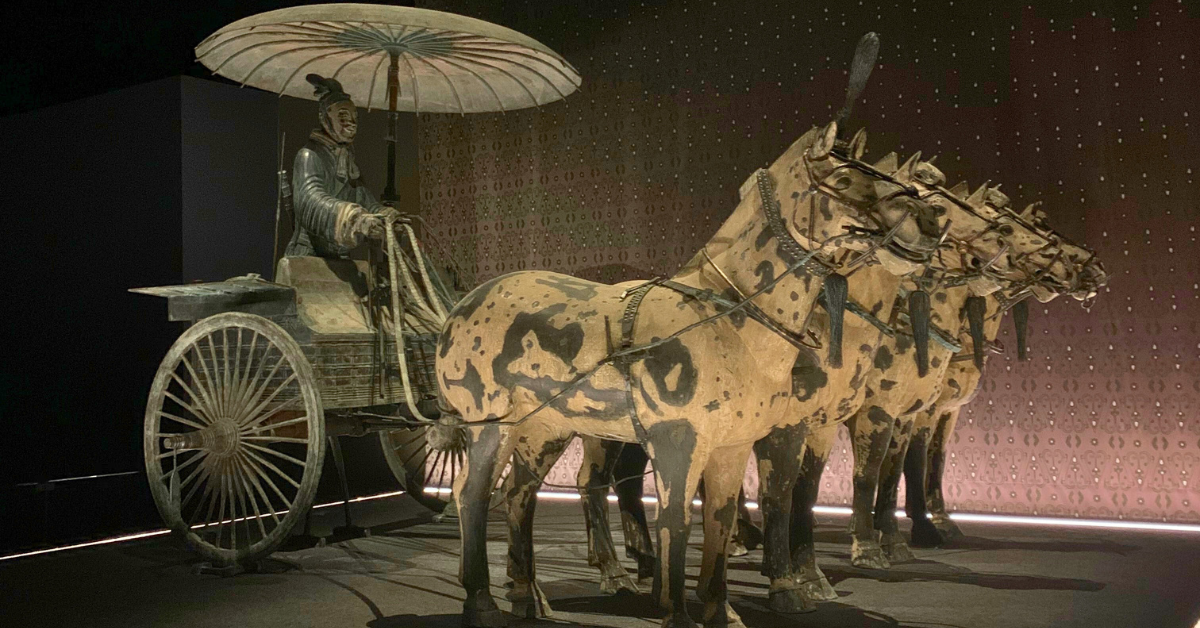
Behind the scenes, transporting the warriors to Perth was a global effort involving heritage authorities in China, Hong Kong, and Australia. Cathay Cargo used custom packaging, GPS tracking, and strict security protocols to ensure the artefacts arrived safely — a reminder that cultural exchanges require meticulous coordination across borders.
Culture at the Grassroots: Children Bringing History to Life
What touched me most was seeing how the exhibition is already influencing local communities.
At Oberthur Primary School, students in a Chinese immersion program have been recreating Terracotta Warriors in art class while learning Mandarin and ancient history. Their hands-on projects bring ancient China to life in a way that textbooks never could.
It’s a perfect example of how culture doesn’t just travel across borders, but generations.
Why This Exhibition Matters
Standing among the Terracotta Warriors, I was reminded that museums are more than buildings — they are bridges between past and present, East and West, and people of all backgrounds. This exhibition highlights the power of craftsmanship, cultural diplomacy, and shared stories across generations.
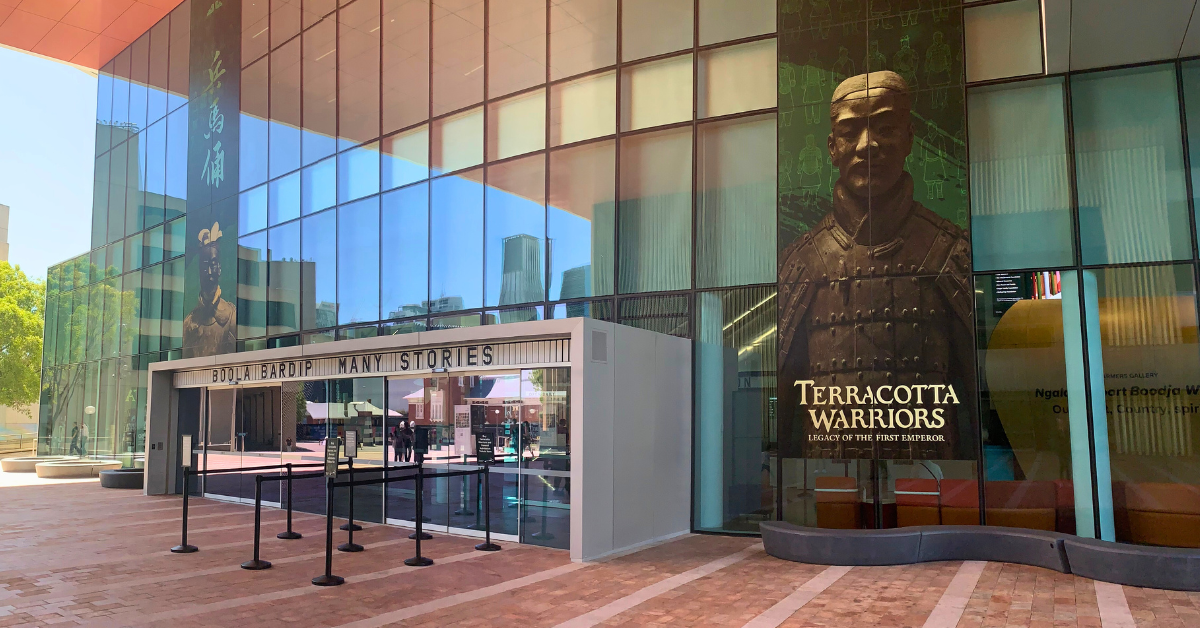
With more than 175,000 visitors so far, Terracotta Warriors: Legacy of the First Emperor continues to shape WA’s cultural landscape. It’s a meaningful reminder that culture never stands still — it travels, evolves, and connects us in ways we least expect. If you haven’t visited yet, the exhibition runs until 22 February 2026.
It's a meaningful reminder that culture never stands still. It travels, evolves, and connects us in ways we least expect.
Chatterbox Lounge is a space where stories like these come together — across culture, people, and perspectives.
If this resonated, feel free to follow the newsletter for more reflections like this.