Are We Still at Home? What the Changing Food Industry Is Telling Us
Have you ever walked into a city and wondered if you’re still home?
With the rise of international F&B brands, some local players are beginning to feel the pressure of an increasingly competitive landscape. As a customer, there are moments I find myself questioning whether I’m in my own country or somewhere else entirely.
It’s not necessarily a bad thing. More choices often lead to better experiences. But it does raise an important question: how can local players continue to stay relevant and competitive in a rapidly evolving market?
At the same time, sustainability is no longer a distant concept. From food sourcing to production and supply chains, it has become a growing expectation across the industry. Whether it’s exhibitions, workshops, or conversations on the ground, it’s clear: sustainability is here to stay.
So where do these two shifts - competition and sustainability - intersect?
Why Sustainable Food Camp (SFC) Was Created
This is where Sustainable Food Asia (SFA) enters the picture.
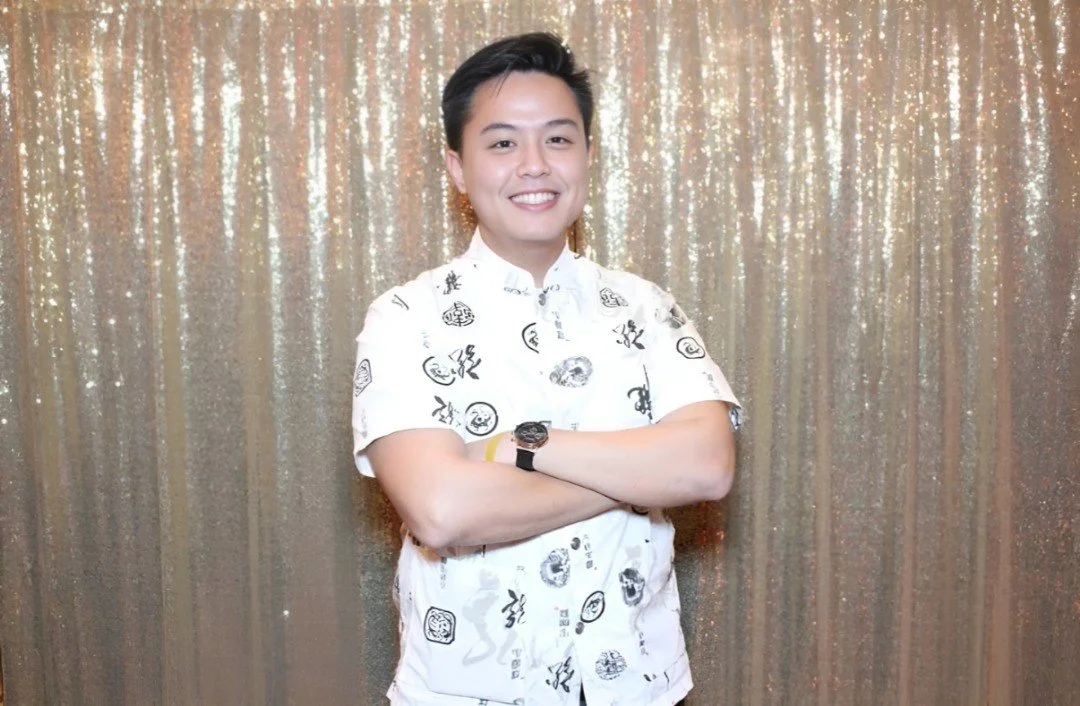
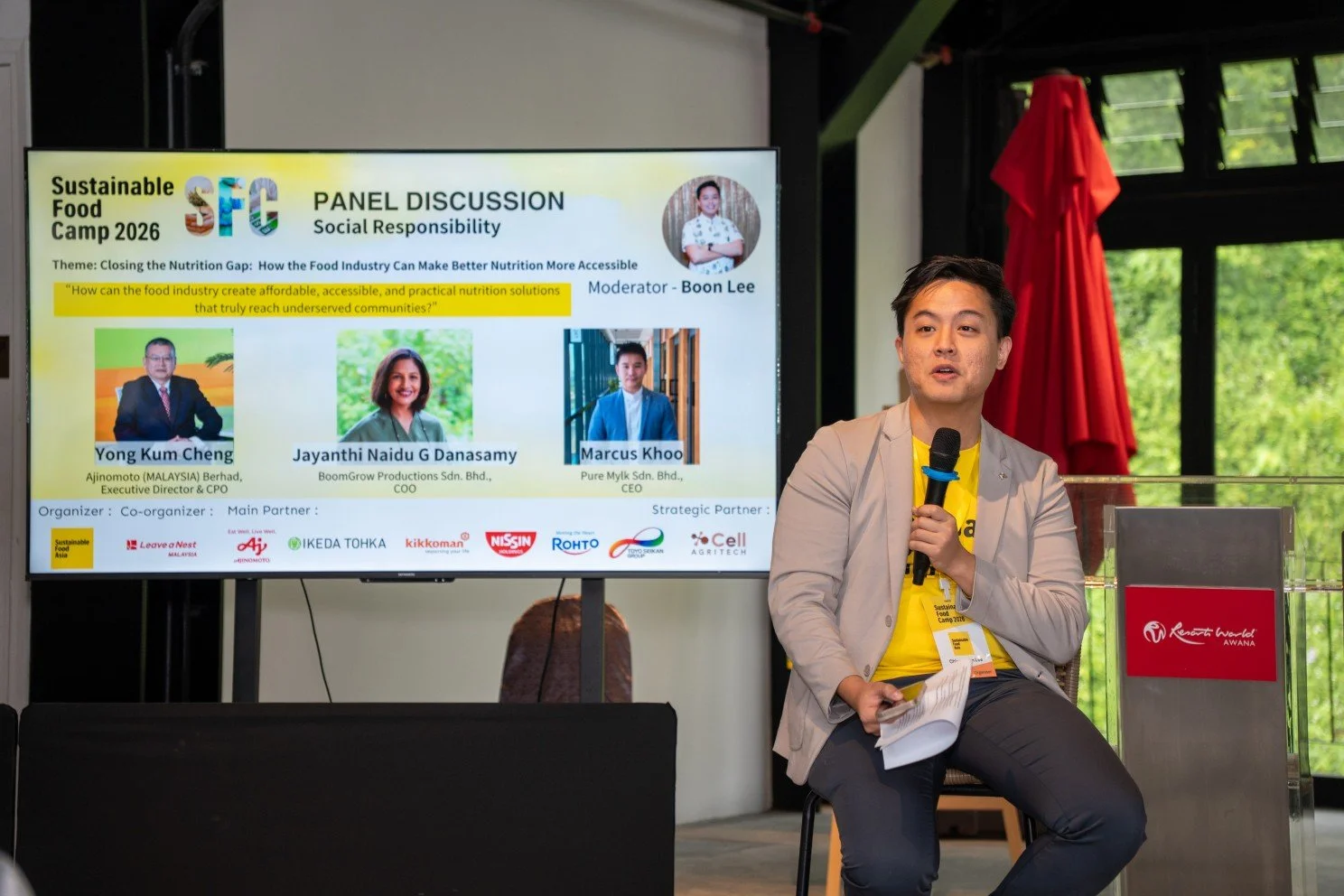
In this episode of Chatterbox Lounge, we speak with BoonLee Chiam, CEO of Sustainable Food Asia Sdn. Bhd., following the conclusion of their 4th Sustainable Food Camp (SFC) held at Resorts World Awana.
“SFC started in 2023 with a simple philosophy: we see gaps in the industry - issues that no single party can solve alone. We need to work together, and create together.”
Instead of positioning SFC as a traditional conference or summit, the team intentionally chose to call it a “camp”.
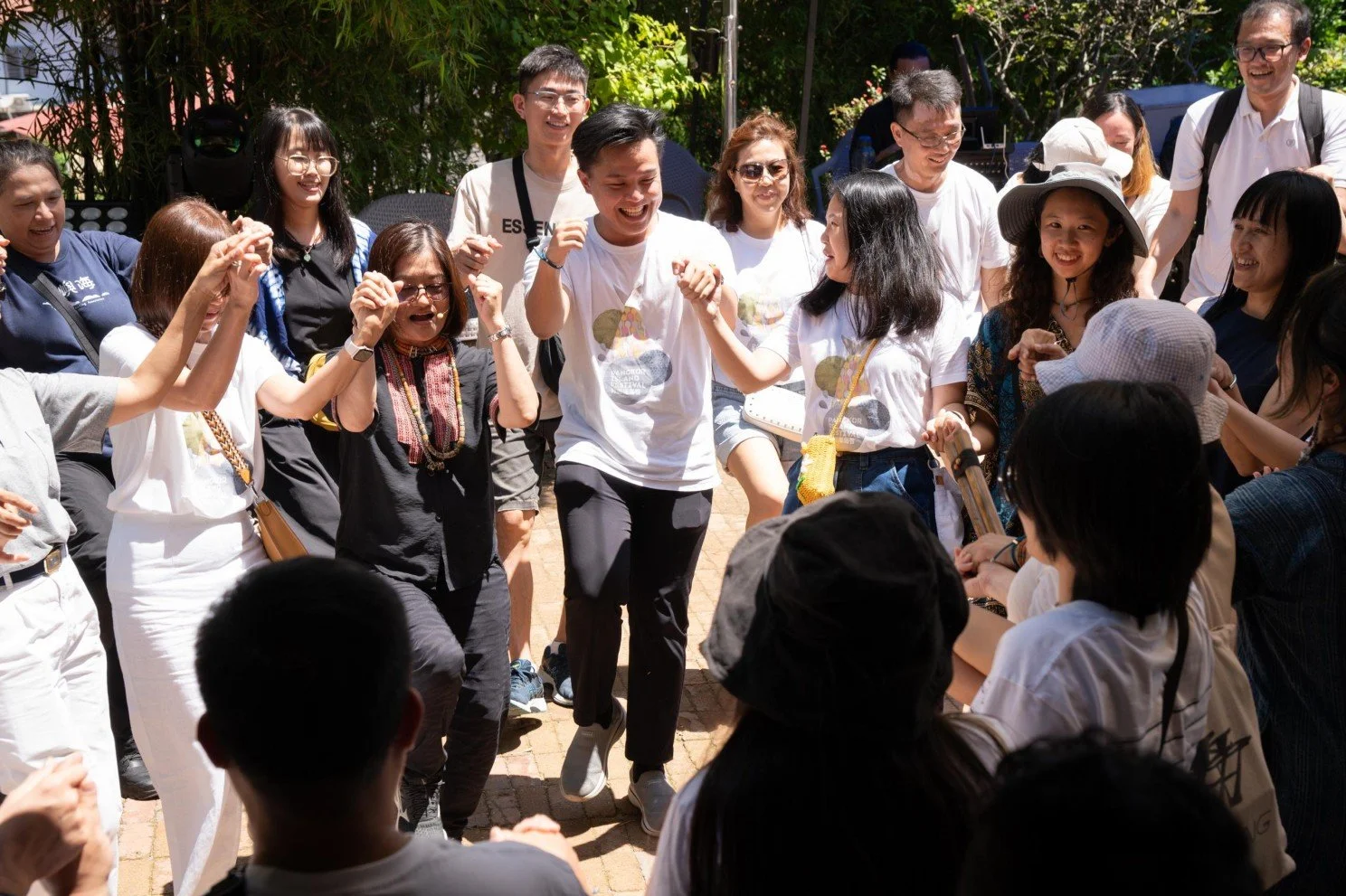
The idea? To create an environment where people feel open, relaxed, and willing to share.
Because more often than not, meaningful business conversations don’t happen on stage - but in between sessions, in small groups, and through genuine, human interactions that are often unplanned.
“We Are the Soil”
Boon Lee shared a metaphor that perfectly captures SFC’s role:
“SFC is not a bamboo shoot. The businesses are. We are the soil that makes them grow,”
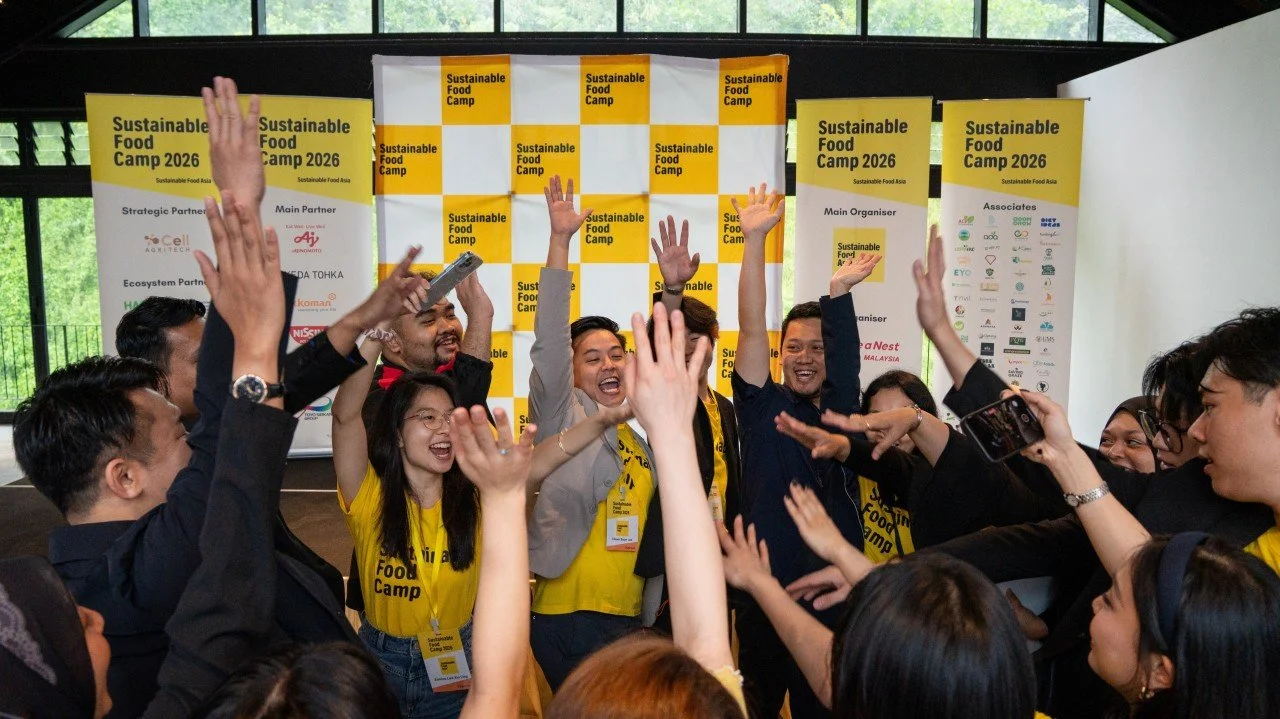
SFC acts as the environment - bringing together people, ideas, and opportunities that enable collaborations to take root.
Over the past four years, more than 500 senior management and C-suite leaders have participated in SFC. What began as a “seed-planting phase” is now entering a period of visible growth, much like bamboo - quietly developing underground before rapidly expanding when the conditions are right.
The vision moving forward is to scale this ecosystem across Asia, creating a compounding effect where more businesses, partnerships, and innovations can emerge organically.
From Conversations to Real Outcomes
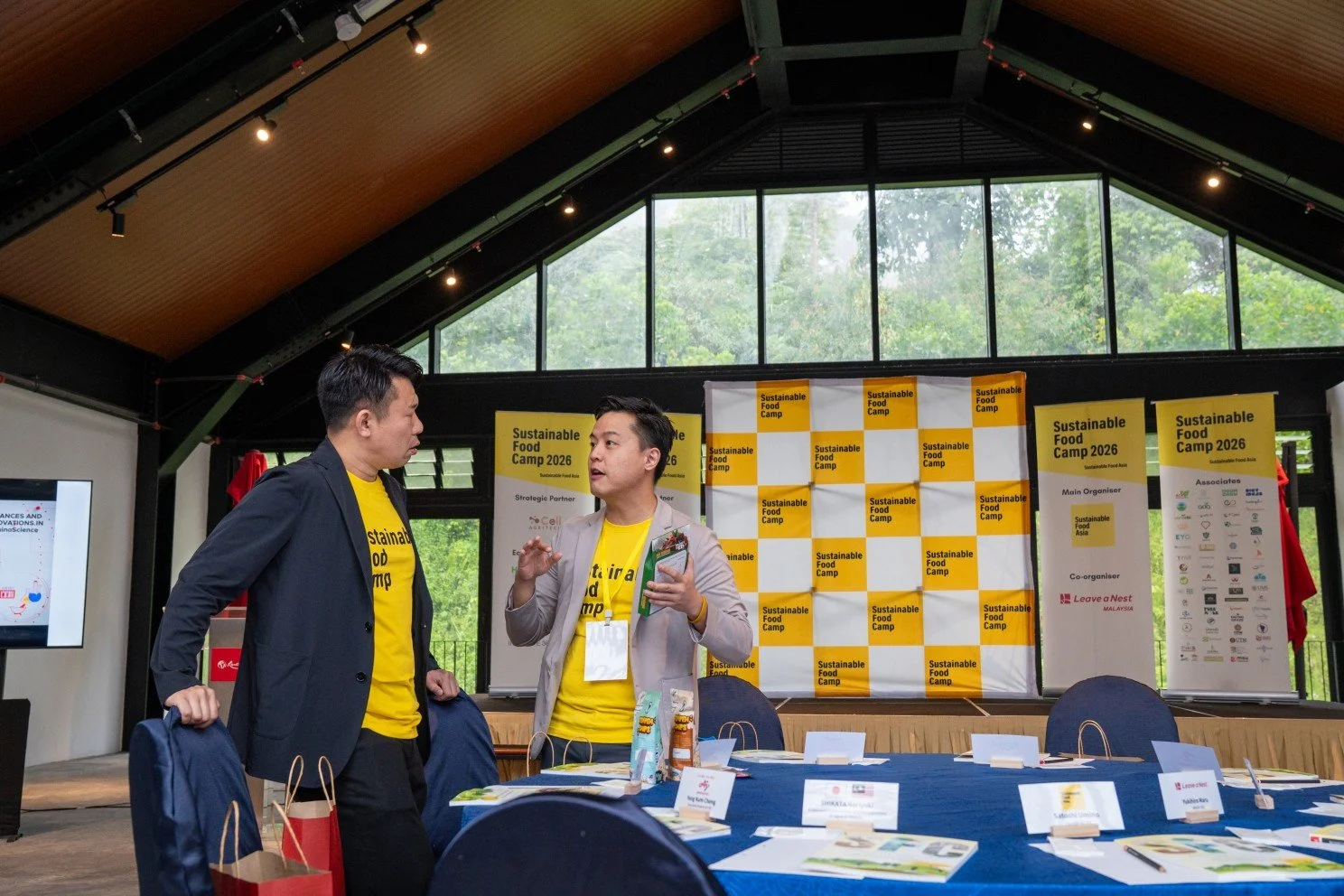
Beyond philosophy, what makes SFC stand out are the tangible outcomes it creates.
One of the most memorable from SFC 2026 involved a participant holding a small bag of green powder - duckweed they had cultivated themselves. The project was initiated after winning a corporate prize at SFC 2026, using the funding to kickstart development.
In another case, a participant from Singapore partnered with a company in Indonesia and is now planning to shift production there.
Stories like these highlight what SFC enables: not just conversations, but real cross-border collaborations.
More importantly, they reflect something deeper - trust.
As Boon Lee shared, trust is built through the process. Over time, the community becomes more than just a network - it evolves into something closer to a shared ecosystem, where people support one another beyond transactional interactions.
In his words, “you can’t hide true joy” - it’s visible in the way people connect when they find others who share the same vision and challenge.
A Growing Regional Movement
Looking at the broader landscape, there is a noticeable increase in corporations exploring expansion into Malaysia and Southeast Asia.
At the same time, there remains a gap: manufacturers who are open to collaborating with foreign partners are still relatively limited.
Malaysia’s food industry, however, holds strong fundamentals - particularly in food safety and manufacturing capabilities. The opportunity lies in building on this foundation and becoming more open to collaboration.
Encouragingly, more local players are stepping forward.
From SMEs developing bioreactors to companies producing plant-based milk or operating multiple retail outlets, participation is expanding across different segments of the industry.
“This is just the beginning,” Boon Lee noted, describing it as the first snowball that will continue to grow.
Bridging Industry and Talent
Beyond industry collaboration, another key focus is bridging the gap between education and employment.
Boon Lee highlighted a common paradox: companies are hiring, yet many students struggle to find the right opportunities.
The challenge lies in both awareness and mindset.
Not all students are exposed to available roles, and many feel pressured to pursue careers directly aligned with their academic background. This often leads to hesitation, self-doubt, and missed opportunities.
Through his roles with the Malaysia Biotechnology Students' Association (MYBIOSA) and Monash University, Boon Lee is working to close this gap - supporting students to explore broader career paths and encouraging them to experience life.
As he puts it:
“It’s very rare to know what you want to do in your 20s, especially when that decision shapes the next 40 years of your life. But once you try, one of two things happens - you either find what you want to do, or you find what you don’t. Both are wins.”
Looking Ahead
At its core, SFC is about more than sustainability or innovation.
It’s about creating the right environment for people to connect, collaborate, and grow together.
Because in the end, it’s not just about building better food systems - it’s about building the people and partnerships behind them.
And sometimes, all it takes is the right environment - the right “soil” - for something meaningful to grow.